
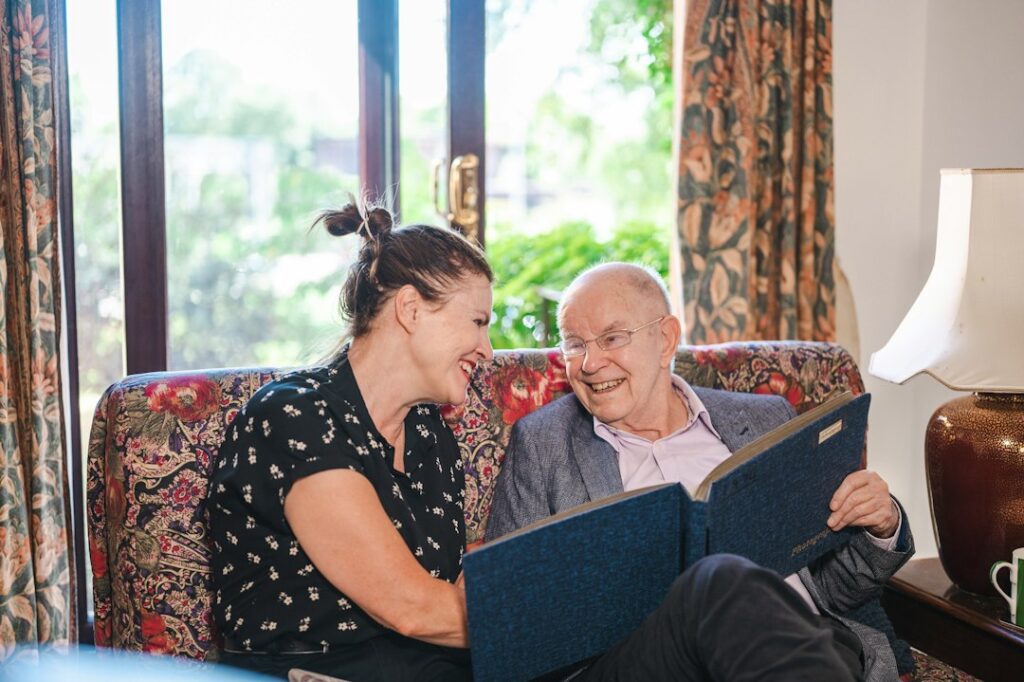
Moving to assisted living is a major emotional transition, not simply a change in housing. A person may feel relieved about having more support while also grieving the loss of a familiar home, routine, privacy, or independence. Mixed feelings are normal, and emotional preparation can make the transition more manageable.
What emotions are common before assisted living?
People often experience several emotions at the same time. Relief, fear, sadness, anger, embarrassment, uncertainty, and even curiosity may all appear during the same week.
A move can represent positive changes, such as fewer household responsibilities, more regular meals, easier access to help, and increased opportunities for social connection. It can also bring difficult thoughts:
- “Will I still make my own decisions?”
- “Will other people think I can no longer care for myself?”
- “What will happen to my belongings?”
- “Will I feel at home there?”
- “Will my family treat me differently?”
- “What if I do not like the new routine?”
These concerns should be discussed openly rather than dismissed. Telling someone to “look on the bright side” may unintentionally make the person feel unheard. A better approach is to acknowledge the concern and focus on what can be decided, changed, or tested.
How can a person cope with leaving a longtime home?
Leaving a familiar home can feel like losing part of one’s identity. The house may hold memories of family gatherings, holidays, daily routines, and years of personal work. Emotional preparation should include time to recognize that loss.
A useful first step is to separate the meaning of the home from the physical building. Photographs, handwritten recipes, favorite decorations, music, and familiar fabrics can help preserve continuity. Some residents bring a favorite chair, lamp, quilt, clock, or small collection of books to make the new room feel recognizable.
Sorting belongings can also become emotionally difficult. It may help to work in short sessions rather than trying to clear an entire home in a single weekend. Items can be divided into four groups:
- Bring now
- Store for later
- Give to family or friends
- Donate, recycle, or discard
The person moving should have as much control over these choices as possible. Family members may have practical reasons for moving quickly, but rushing can increase grief and resentment.
How can someone preserve independence after the move?
Assisted living does not mean giving up every choice. Residents usually continue making many personal decisions, including what to wear, how to spend free time, whom to visit, and which activities to join.
Before moving, write down the daily tasks and decisions that matter most. These might include:
- Choosing wake-up and bedtime routines
- Managing personal clothing
- Keeping certain foods or snacks available
- Attending religious, cultural, or social activities
- Taking walks or spending time outdoors when conditions are safe
- Maintaining contact with family and friends
- Deciding when to participate in group events
Discussing these preferences early can help family members avoid doing too much. Well-meaning relatives sometimes take over because they are anxious, but excessive help can make a capable adult feel powerless.
Independence may look different after the move. It could mean directing one’s own care, choosing between activities, organizing personal belongings, or asking for assistance only when needed.
What should family members say about the transition?
Family conversations should be honest, respectful, and specific. Avoid making promises that cannot be guaranteed, such as “Nothing will change” or “You will love it immediately.”
Helpful statements include:
- “You will still have a say in your daily routine.”
- “It makes sense to feel sad about leaving your home.”
- “Let’s decide which belongings matter most to you.”
- “We can talk about what is not working after you move.”
- “Needing support does not erase the life you have built.”

It is also useful to ask open questions rather than assuming what the person feels. “What part of the move worries you most?” often leads to a more productive conversation than “Are you nervous?”
If family members disagree about the move, those disagreements should not be argued in front of the person whenever possible. Conflicting messages can create guilt and make the transition feel like a family battle.
How can a person prepare for the first few weeks?
The first days may feel uncomfortable even when assisted living is ultimately a good fit. The room may sound different, meals may occur at unfamiliar times, and nearby residents may not yet be familiar faces.
A simple adjustment plan can help:
- Keep a regular sleep and meal schedule.
- Place familiar objects where they are easy to see and use.
- Arrange brief, predictable visits or phone calls.
- Try one activity at a time rather than attending every event.
- Learn the names of a few staff members and neighbors.
- Keep a written list of questions or concerns.
- Take quiet breaks when social interaction becomes tiring.
In South Park, seasonal conditions may affect visits and routines. Winter weather, summer heat, heavy rain, and shorter daylight hours can change how often family members visit or whether outdoor activities are practical. Planning indoor alternatives, such as video calls, shared meals, card games, or photo conversations, can reduce isolation during difficult weather.
What if the person feels guilty, ashamed, or like a burden?
Needing assistance with medication reminders, meals, bathing, mobility, or household tasks can affect self-esteem. Some people interpret support as proof that they have failed, even though changing needs are a normal part of aging and illness.
It may help to reframe assistance as a safety and quality-of-life decision rather than a personal failure. A person can remain thoughtful, responsible, creative, and engaged while receiving help with specific tasks.
Family members should avoid praising dependence or speaking to an older adult as though they were a child. Respectful communication means speaking directly to the resident, allowing time for responses, and asking permission before handling personal items or making decisions.
Persistent hopelessness, severe anxiety, major sleep disruption, withdrawal from nearly all activities, or statements about not wanting to live require prompt attention. Emotional distress should be shared with a medical or mental health professional, especially if it interferes with eating, sleeping, safety, or daily functioning.
How long does emotional adjustment take?
There is no standard timetable. Some people feel more settled within days, while others need several weeks or months. Adjustment may also come in stages: initial relief, homesickness, frustration, growing familiarity, and renewed confidence.
A difficult first week does not automatically mean the move was wrong. At the same time, ongoing distress should not be ignored. Specific concerns should be described clearly, such as repeated loneliness, trouble sleeping, difficulty joining meals, or confusion about routines. Concrete information makes it easier to identify what needs to change.
Emotional preparation is not about forcing optimism. It is about making room for grief, preserving personal choices, staying connected to familiar parts of life, and recognizing that a new residence can become comfortable gradually. The goal is not to erase every difficult feeling, but to help the person enter the transition with dignity, information, and meaningful control.
