
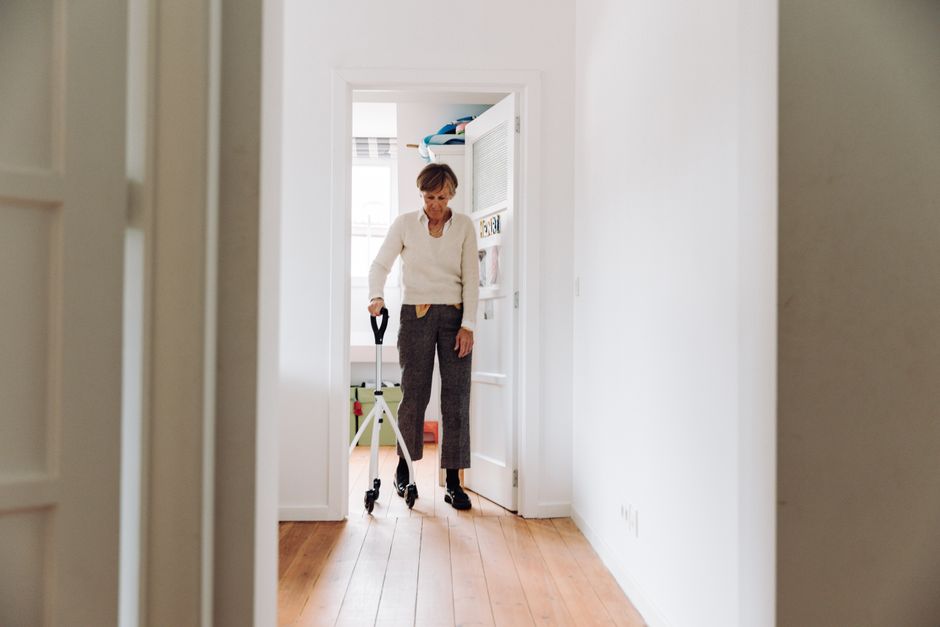
Falls are not an unavoidable part of aging. In assisted living, prevention works best when it combines safer surroundings, regular movement, medication review, good lighting, and quick communication about changes in balance or confidence.
A fall can happen during an ordinary activity such as getting out of bed, walking to the bathroom, reaching for an object, or stepping outside. The goal is not to restrict independence, but to make everyday movement more predictable and supported.
Why are falls more common as people age?
Falls often result from several small factors rather than one obvious problem. Muscle weakness, changes in balance, reduced vision, dizziness, foot pain, and medical conditions can all affect steadiness. A person may also be more likely to fall after an illness, a medication change, dehydration, or several nights of poor sleep.
Some medicines can cause drowsiness, blurred vision, lower blood pressure, or confusion. These effects may be more noticeable when standing up quickly or walking in low light. Prescription medicines, over-the-counter products, and supplements should be reviewed together with a qualified healthcare professional, especially after a fall or near-fall.
A near-fall is useful information. It may reveal that a walker is not adjusted correctly, a pathway is cluttered, footwear is unstable, or a person needs help at a particular time of day.
What can residents do inside an assisted living apartment?
The safest living space is one that allows clear, well-lit movement between the bed, bathroom, seating area, and doorway. Keep frequently used items within easy reach so there is less need to climb, stretch, or bend suddenly.
Practical adjustments include:
- Remove loose rugs, floor mats, cords, and other objects from walking paths.
- Keep floors dry and clean up spills promptly.
- Use night-lights between the bed and bathroom.
- Place a lamp or light switch within reach from the bed.
- Keep a phone, alert device, or other means of requesting help nearby.
- Avoid standing on chairs, step stools, or furniture.
- Store heavier items at waist level rather than high shelves or low cabinets.
- Make sure mobility aids are used consistently and are not left across the room.
Bathrooms deserve special attention because wet surfaces and tight spaces increase risk. Grab bars, a stable shower seat, nonslip flooring, and adequate lighting can help. Towel racks and fixtures should not be treated as substitutes for properly installed support equipment.
How do shoes and clothing affect fall risk?
Shoes should fit securely and have a firm, nonslip sole. Loose slippers, backless footwear, socks on smooth floors, and worn soles can make turning or stopping more difficult.
Clothing should not drag on the floor or catch on furniture. Robes, pajama legs, and loose hems may create a hazard during nighttime bathroom trips. If a cane or walker is used, clothing should allow enough room for safe movement without catching on the device.
Outdoor footwear matters during colder months. Ice, packed snow, wet leaves, and slush can create changing conditions near entrances and walkways. Residents should avoid rushing outside and should ask for assistance when surfaces appear slippery or visibility is poor.
Which exercises help prevent falls?
Exercises that build leg strength and improve balance can support safer walking. Helpful activities may include supervised chair-stand practice, controlled heel raises, gentle leg strengthening, walking, and balance exercises recommended for the individual’s abilities.
Tai chi and other slow, controlled movement programs may also help some older adults improve balance and confidence. Exercise should match a person’s health status and mobility level. Anyone with significant dizziness, severe weakness, recent surgery, or a history of repeated falls should receive individualized guidance before beginning a new routine.
A simple habit can also help with position changes: pause before walking after rising from a chair or bed. Sit at the edge of the bed, move the feet, stand slowly, and wait for any lightheadedness to pass.
Why are vision and hearing checks part of fall prevention?
Clear vision helps a person notice changes in flooring, steps, furniture, and obstacles. Poor lighting can make even familiar spaces difficult to navigate. Regular vision checks are useful, particularly after changes in eyesight, new difficulty reading signs, or problems judging distances.
Glasses should be clean and used as directed. Bifocal or progressive lenses may require extra care on stairs and uneven surfaces because judging the ground can feel different while looking downward.
Hearing also supports safety by helping residents notice alarms, approaching people, and instructions. Hearing aids should be maintained and worn according to clinical guidance.
How can assisted living staff and families identify changing risks?
Fall prevention should be revisited after any fall, near-fall, hospitalization, illness, medication change, or noticeable decline in walking ability. A plan that worked several months ago may no longer be suitable.
Useful questions include:
- Is the resident becoming unsteady at a particular time of day?
- Does dizziness occur when standing?
- Is the walker or cane the correct height?
- Is help needed with bathing, toileting, or nighttime walking?
- Has the resident started avoiding activities because of fear of falling?
- Are there new problems with vision, foot pain, numbness, or weakness?
- Are meals, fluids, and rest adequate?
Fear of falling can lead to less activity, which may cause further weakness. Encouragement should focus on safe participation rather than telling someone simply to “be careful.” Clear instructions, appropriate assistance, and gradual activity are more useful.
What should happen after a fall?
Do not rush to lift someone immediately. First check for severe pain, bleeding, head injury, unusual drowsiness, difficulty breathing, or inability to move normally. Emergency help is needed for serious symptoms, suspected fracture, loss of consciousness, or a possible head or neck injury.
Even when an injury is not obvious, a fall should be reported and medically reviewed when appropriate. Pain, weakness, confusion, or reduced mobility may appear later. Blood-thinning medicines can make head injuries more concerning, even after a seemingly minor fall.
After the immediate issue is addressed, document what happened: location, time, activity, footwear, lighting, symptoms, and whether the person had recently taken medication or felt dizzy. These details can help identify a preventable pattern.
What seasonal concerns matter in South Park?
Cold-weather conditions can affect safety both outdoors and indoors. Meltwater near entrances may refreeze, and wet shoes can make interior floors slippery. A practical routine includes checking entryways, drying wet flooring, using handrails, keeping pathways clear, and allowing extra time for outdoor movement.
Shorter daylight hours also make lighting important. Exterior paths, parking areas, steps, and entrances should be visible before residents go outside. During storms or icy conditions, postponing nonessential trips may be safer than attempting to cross an uncertain surface.
Fall prevention is most effective when it is treated as an ongoing safety practice rather than a response only after an injury. Regular attention to movement, medications, vision, footwear, lighting, and environmental changes can help residents remain active while reducing avoidable hazards.
