
What Fitness Options Are Available for Seniors Living in Assisted Living?
Most assisted living communities in South Park, PA offer residents a variety of fitness programs designed for different abilities and personal preferences. These options typically include a mix of group activities, individual movement opportunities, and adaptive workouts for those with mobility challenges. Residents can expect options such as chair yoga, gentle stretching, walking groups, and low-impact exercise classes, all tailored to promote safe participation.
Some common program types include:
- Seated exercise classes for strength and flexibility
- Light aerobics and movement to music
- Balance and fall-prevention training
- Gentle tai chi or stretching
- Supervised walks, often indoors during colder months
All activities are specifically adapted for the needs of older adults living in the community, and are usually held in a common activity room or nearby outdoor area, depending on the season and weather.
Why Do Fitness Programs Matter for Senior Wellbeing?
Participating in regular, guided fitness activities can help seniors in assisted living maintain strength, mobility, and independence for as long as possible. Physical movement supports:
- Joint flexibility and muscle health
- Balance, reducing the risk of falls
- Circulation and heart health
- Mood stability and decreased stress
Beyond physical benefits, group classes foster social connection, which can ease feelings of loneliness that occasionally come with transitions into assisted living. It’s common for new residents to ask if these programs are really suitable for their physical limitations; in most cases, sessions are specifically modified by the instructor, allowing almost everyone to participate safely and comfortably.
Can Fitness Activities Be Adapted for Those With Limited Mobility?
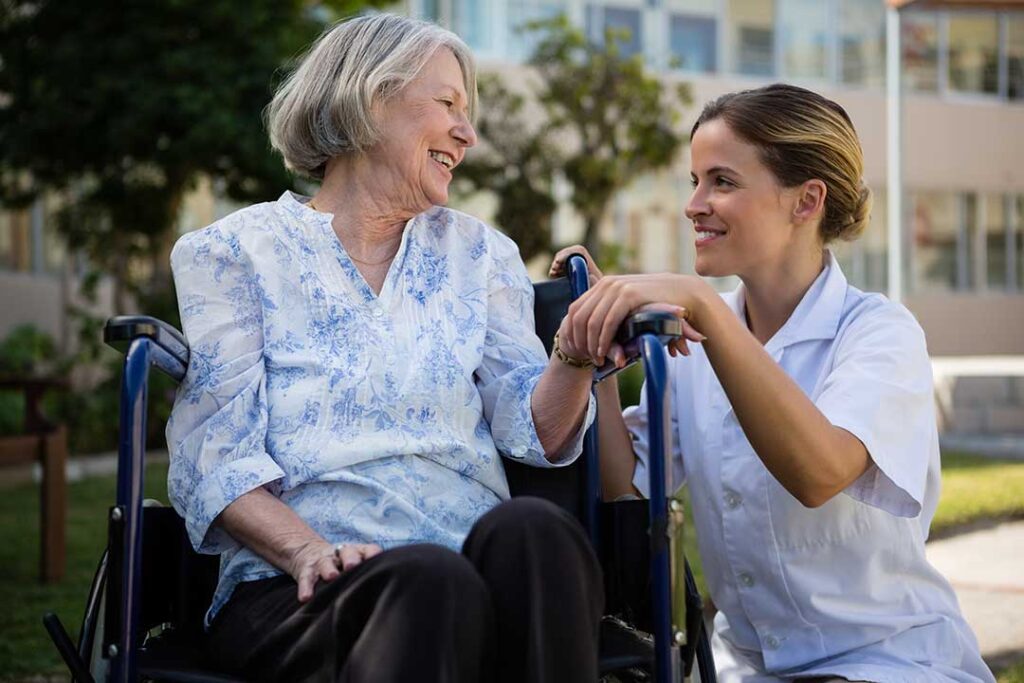
Yes, nearly all senior fitness sessions in assisted living can be scaled for people with varying degrees of mobility or health concerns. Many programs emphasize “chair-based” or “supported” activities, in which residents can remain seated while working on range of motion, grip strength, coordination, and breathing. For instance, chair yoga replaces traditional poses with seated stretches, making it accessible to people using walkers or wheelchairs.
If a resident has specific physical restrictions, it’s best to communicate this with staff so modifications can be made. These adaptations may include:
- Seated marching or arm movements for cardiovascular benefit
- Use of light hand weights, resistance bands, or textured balls
- Alternate activities for those recovering from surgery or illness
Staff are trained to monitor residents closely, ensuring that everyone participates within their comfort zone and ability level.
How Are Fitness Programs Scheduled Around Daily Routines and Seasons?
Most assisted living communities in South Park schedule fitness activities mid-morning or early afternoon, when energy and alertness tend to be highest for seniors. During the warmer months, residents may enjoy gentle outdoor walks or gardening sessions. In winter, indoor options such as hallway strolls, group stretching, or exercise videos are made available so residents can remain active despite weather conditions.
Fitness classes are usually offered multiple times per week, allowing residents to choose a routine that works for them. For those who prefer independence, simple exercise instructions or printed routines may be available upon request for use in private rooms between group sessions.
Are There Common Myths About Senior Fitness in Assisted Living?
Residents and their families sometimes believe that physical activity isn’t safe for older adults, especially those with health conditions or who have experienced falls in the past. In reality, adapted exercise—when led by a knowledgeable instructor—actually helps lower the chance of future injury by improving balance, flexibility, and strength.
Some false assumptions include:
- You must be able to stand to exercise—many routines are designed specifically for sitting
- Only high-intensity activity has value—even gentle stretching supports mobility
- Fitness sessions are competitive—in assisted living, participation is supportive and pressure-free
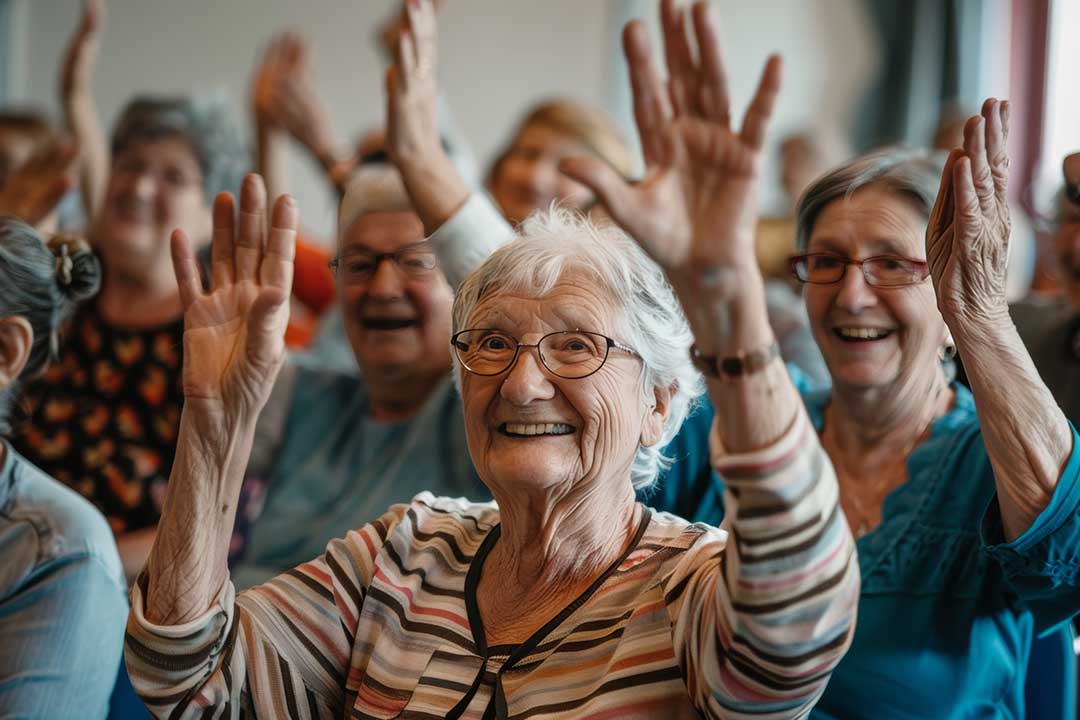
Understanding these facts helps residents feel more comfortable joining programs that match their pace.
What Should Residents Consider When Choosing Activities?
Selecting the right fitness program is a personal decision. Seniors should reflect honestly on their comfort, abilities, and interests. Some enjoy calm, meditative movement such as tai chi or breathing exercises, while others might prefer upbeat music and social interaction. It’s also helpful to:
- Try different offerings to discover what feels enjoyable and manageable
- Let staff know about any previous injuries, surgeries, or health diagnoses that might affect participation
- Share feedback so classes can be better tailored for specific interests or needs in the community
There’s no pressure to attend every class; even occasional participation can provide noticeable physical and social benefits.
Is Special Equipment Required for Assisted Living Fitness Activities?
Most resident-focused exercise sessions are designed for minimal or no-equipment participation. When equipment is used, it is chosen for safety and adaptability, such as:
- Soft hand weights or light ankle weights
- Stretch bands of varying resistance
- Stability balls or grip-enhancing tools
All items are typically provided by the community, sanitized between uses, and selected for ease of handling. Residents with personal assistive devices—like walkers or canes—are encouraged to incorporate them into their exercise routine as directed by staff.
How Do Residents Know Activities Are Safe and Supervised?
Fitness sessions within assisted living communities are supervised by staff trained in senior wellness and basic first aid. Leaders demonstrate each movement step-by-step and routinely check in with participants. If a resident feels unsteady or experiences discomfort, they’re encouraged to stop immediately and consult with staff.
Periodic evaluations of program offerings help ensure that fitness sessions remain both challenging and secure, adapting as the needs of the resident population shift over time.
