
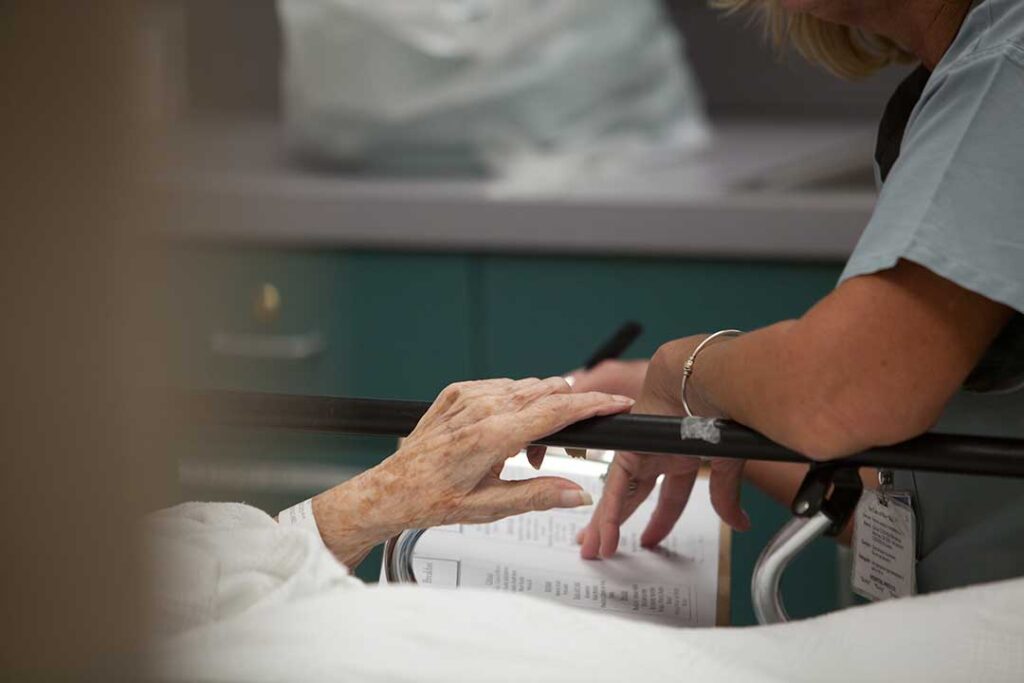
How Does Assisted Living Support Chronic Condition Management?
Assisted living communities in South Park, PA offer daily support and tailored care for residents living with chronic health issues such as diabetes, heart disease, arthritis, and COPD. These settings provide a structured environment where trained staff help monitor symptoms, manage medications, and assist with tasks that can become difficult due to ongoing medical conditions.
Residents often worry if moving into assisted living means giving up independence or personal routines. In reality, most communities aim to maximize residents' autonomy while offering just enough support to maintain health and prevent unnecessary hospital visits.
What Kinds of Chronic Conditions Are Commonly Managed?
Assisted living often serves individuals with:
- Diabetes (Type 1 and 2)
- Heart conditions (heart failure, atrial fibrillation)
- Arthritis and mobility disorders
- Chronic obstructive pulmonary disease (COPD)
- High blood pressure
- Early-stage dementia and mild cognitive impairment
Local assisted living facilities see a range of needs, influenced by factors like the area's aging population and common health challenges related to seasonal weather (such as slips, falls, and respiratory issues during Pennsylvania winters).
Medication Assistance: What Support Is Typically Provided?
Staff in assisted living communities are trained to administer daily medications accurately and on schedule. This helps prevent missed doses or dangerous duplications—a frequent source of complications for older adults managing multiple prescriptions.
Residents receive:
- Timely medication reminders
- Help opening bottles or organizing pill dispensers
- Monitoring for side effects or changes in condition
- Coordination with primary healthcare providers when prescriptions or dosages need adjusting
This support is especially useful for those with memory concerns or complex medication routines.
How Do Onsite Wellness Checks and Monitoring Work?
In assisted living settings, regular health monitoring is standard. Staff check vital signs, observe for symptoms (like swelling for heart patients or blood sugar changes for diabetics), and quickly address concerns. Early intervention helps prevent small problems from escalating.
For example, if a resident with COPD starts showing increased shortness of breath, staff can take quick action by contacting a doctor or adjusting daily routines to reduce exertion. This kind of vigilance eases anxiety for both residents and their families, knowing health changes are less likely to go unnoticed.
What Role Does Nutrition Play in Chronic Condition Management?
Many chronic conditions are directly affected by diet. Assisted living communities typically provide meal programs designed with input from registered dietitians, accommodating restrictions such as low-sodium diets, diabetic meal planning, or food allergies.
Residents benefit from:
- Balanced meals that fit medical recommendations
- Help with meal preparation if residents like to cook in their living spaces but face dexterity challenges
- Social dining options that also encourage healthy eating habits
This can be particularly valuable during winter months, when grocery trips are more difficult and fresh produce is less accessible in South Park.
How Are Mobility and Physical Activity Encouraged?
Limited mobility and chronic pain are common barriers for seniors managing health conditions. Assisted living communities design activity programs that balance safety with gentle exercise, such as seated stretching classes, walking groups, or water aerobics (where available).

Assistance may include:
- Physical therapy coordination after injuries or surgeries
- Walking aids (canes, walkers) and escorting residents safely between activities or outdoor areas
- Fall prevention modifications, such as handrails, ramps, and non-slip flooring
Programs are adapted to changing physical abilities, encouraging participation without straining residents beyond their capabilities.
Can Residents Still See Their Usual Doctors and Specialists?
Most assisted living residents continue with their established medical providers. Some communities arrange on-site visits from visiting nurses or therapists, but residents also have freedom to attend off-site appointments. Staff can help coordinate transportation, keep medical records organized, and ensure that communication flows smoothly between the community and external healthcare teams.
Residents or their families should always clarify how these logistics work locally and whether any additional services are available during peak winter months, when travel may be more difficult.
How Is Emotional and Social Wellbeing Supported?
Chronic illnesses don't just affect physical health—they can also lead to anxiety, depression, or feelings of isolation. Assisted living focuses not only on medical needs, but also on emotional wellness:
- Regular social activities, clubs, and trips within the area
- Peer support from other residents with similar diagnoses
- Onsite counseling or mental health check-ins
- Safe, communal spaces to reduce isolation during months when bad weather discourages travel
This balanced approach helps residents maintain a sense of community, even as they manage ongoing health challenges.
What Are Some Common Misconceptions About Assisted Living and Chronic Conditions?
A frequent misconception is that assisted living can't properly support individuals with complex, ongoing health needs. While not designed for residents with severe, late-stage illnesses requiring 24/7 skilled nursing, many assisted living environments are well equipped for chronic, stable conditions.
Another myth is that entering assisted living means the loss of all independence. In reality, support is highly personalized and many daily decisions remain with the resident.
Additionally, some believe that in these settings, their personal routines, hobbies, or preference for privacy must be sacrificed—but in most cases, there is significant flexibility to help individuals continue enjoying their favorite activities wherever possible.
How Are Family Members Involved?
Communication with loved ones is a priority in assisted living. Families are regularly updated on health changes, medication adjustments, or clinical recommendations. Most communities invite family participation in care planning meetings, especially when chronic conditions change or require outside medical input. This collaborative approach lets families remain closely involved while relying on local professionals for day-to-day support.
