
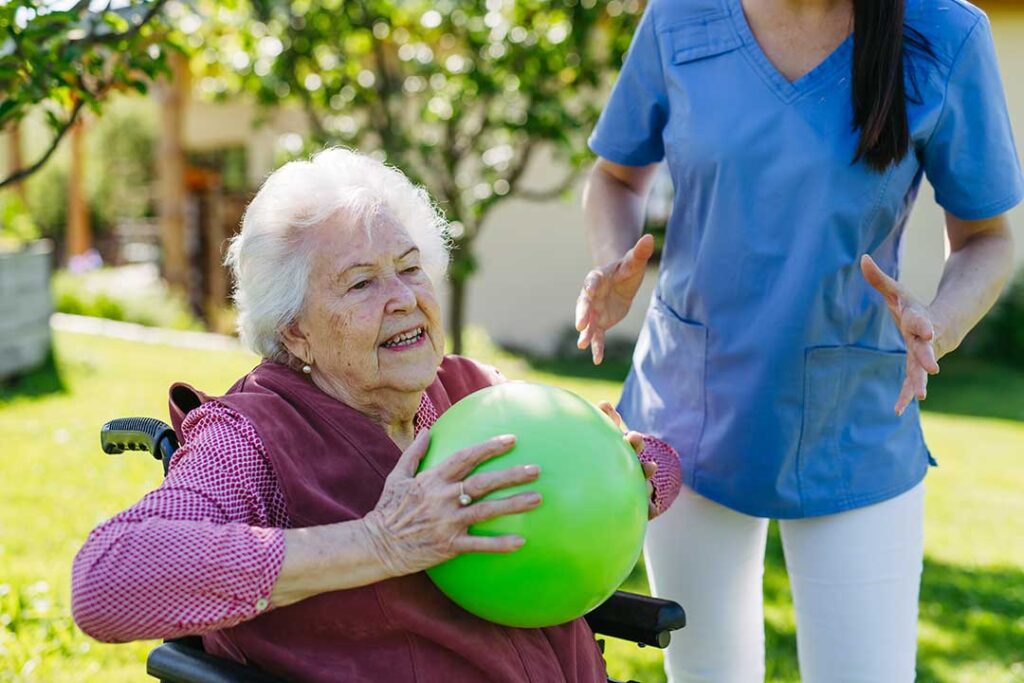
How Does Assisted Living Support Senior Mobility?
Assisted living communities in South Park, PA, are designed to help older adults stay active, independent, and engaged with daily life. Residents often ask how these settings can specifically support movement and physical activity as people age. The answer involves a mix of thoughtful building design, daily routines, supportive staff, and a variety of activity options.
Mobility support is not just about exercise—it's about making everyday life safer, more accessible, and enjoyable for older adults. From safe hallways and adaptive equipment to structured movement classes, assisted living environments offer several avenues for residents to maintain and sometimes even regain their mobility.
What Features Are Designed With Mobility in Mind?
Building layouts and amenities in the city’s assisted living settings are often tailored to make getting around easier for every resident.
- Wide, non-slip hallways and ramps: These allow residents to use walkers, canes, or wheelchairs with less risk of accidents, especially important during South Park’s icy winter months.
- Handrails and grab bars: Common in hallways, bathrooms, and entry points, these supports can prevent falls and provide a sense of security.
- Elevators with large doors and simple controls: Many multi-story buildings in the area offer elevators sized for wheelchairs and walkers to ensure residents don’t have to use stairs.
- Low-entry showers and accessible bathrooms: Adapted restrooms help people with arthritis or balance challenges maintain hygiene independently.
These physical features make daily movement more feasible and reduce common barriers faced by seniors in standard apartment or single-family home settings.
How Do Staff and Routines Encourage Movement?
Assisted living communities in South Park integrate movement into residents’ routines in subtle, supportive ways.
Staff receive training in safely assisting residents as they get up, move to meals, join activities, or go outdoors. Instead of doing everything for residents, caregivers encourage residents to participate in transfers and walking, even if only partially able. This “use it or lose it” approach keeps muscles working and increases confidence over time.
Routine examples include:
- Prompting residents to walk to communal dining rather than eating solely in rooms
- Encouraging light stretching in the mornings or before bed
- Escorting residents on short walks through gardens or outdoor spaces, taking advantage of local seasonal scenery
These daily practices ensure that small amounts of physical activity become a natural part of life, preventing decline caused by too much sitting.
What Role Do Planned Activities Play?
Physical activity isn’t limited to structured exercise. Local assisted living communities provide a range of movement-based recreational options:
- Gentle exercise classes: Chair yoga, low-impact aerobics, and tai chi are popular choices during both mild and colder months.
- Dance and music-based movement: Social dancing or simple rhythm activities create enjoyable opportunities to move, which can also improve mood and cognitive health.
- Outdoor walks: When South Park weather allows, group strolls around landscaped grounds or nearby walking paths give residents fresh air and a change of scene.
Participation is encouraged, but not forced—offering choices helps residents feel in control and more motivated to stay active.
How Does Mobility Support Reduce Health Risks?
Maintaining the ability to walk, stand, or transfer between chairs and beds is closely tied to staying healthy and independent. Assisted living’s mobility-friendly environment offers major health advantages:
- Reduced fall risk: Features like even flooring, regular safety checks, and prompt attention to spills or icy sidewalks lower the risk of injuries common at home, especially during the area’s winter months.
- Decreased muscle loss: Regular movement prevents muscle atrophy, which happens more quickly with age and inactivity.
- Better circulation and joint health: Gentle movement supports better blood flow and helps manage arthritis pain, which is especially beneficial during cold, damp local winters.
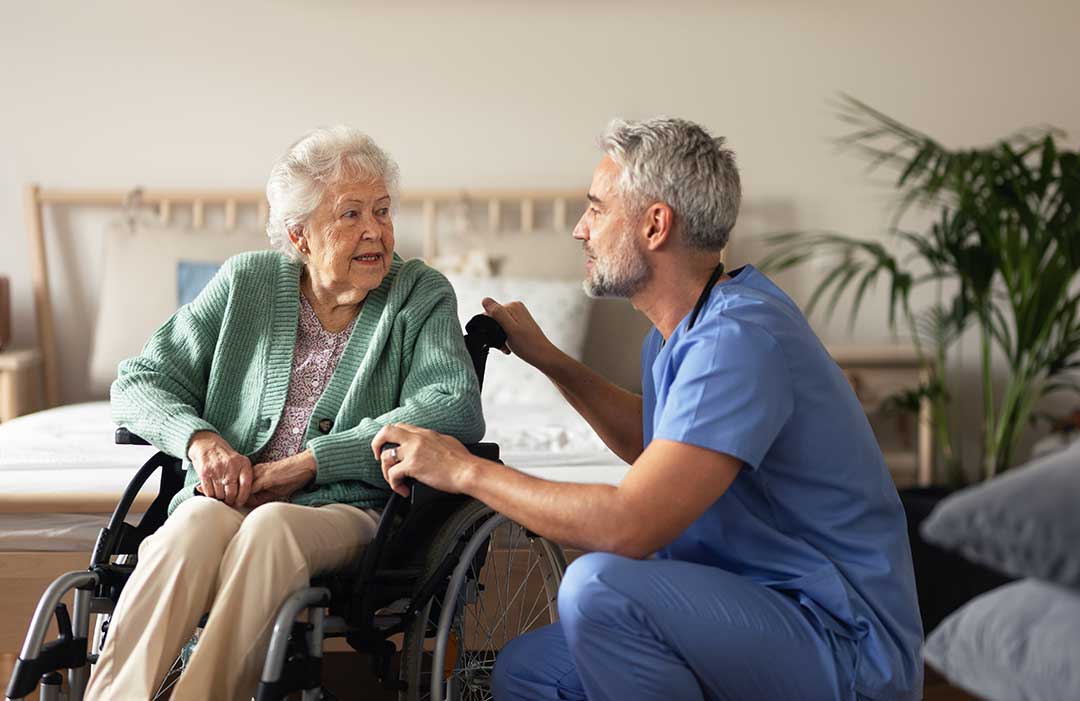
Residents and families sometimes worry that moving to an assisted living community will lead to less movement. In reality, many find their daily step counts actually increase compared to staying at home, where they may avoid stairs or challenging environments.
How Is Individual Mobility Needs Addressed?
Movement limitations can vary a lot among older adults. Assisted living staff in South Park recognize that mobility goals and barriers are different for each resident.
Assessment upon move-in helps staff understand current abilities, risks, and what assistance is needed. Some residents may do well with only verbal reminders, while others require devices like walkers or extra physical help. Communities usually have physical therapy space or can accommodate therapists when a resident temporarily needs extra support after a hospital stay.
Adjustments can include:
- Relocating a resident to a room closer to main activity areas if walking becomes difficult
- Adding extra handrails, ramps, or customized aids
- Coordinating with families and health professionals to update care plans
This responsive approach means needs are reviewed regularly, not just at admission.
Are There Common Misconceptions About Assisted Living and Physical Activity?
A frequent misconception is that assisted living leads to more inactivity. In truth, the structured setting and the presence of staff who prioritize safe movement typically encourage more daily activity than many people are able to accomplish alone at home in South Park.
Another myth is that these communities only benefit those with major mobility impairments. In fact, residents with strong mobility often thrive because the environment helps preserve those abilities for longer, and small supports can delay or prevent decline.
Finally, some worry that needing a mobility device will mean less independence. In practice, proper fitting and encouragement from knowledgeable staff usually makes devices empowering, allowing residents to keep participating in favorite activities and social gatherings.
