

How Can Assisted Living Communities Support Residents with Visual Impairments?
Residents in assisted living communities often ask how their environment can be safer and easier to navigate with vision loss. Adaptations focus on enhancing safety, independence, and comfort for residents with differing degrees of sight.
Changes range from physical modifications of living spaces to daily routines and staff communication techniques. These updates help reduce falls, ease confusion, and encourage confidence around the community.
What Types of Visual Challenges Do Seniors Face?
Vision changes are common with age, but specific impairments such as macular degeneration, cataracts, glaucoma, and diabetic retinopathy are especially frequent. These conditions can create unique challenges, like:
- Difficulty distinguishing contrasts or colors
- Blurred or hazy vision
- Sensitivity to glare
- Loss of central or peripheral vision
- Trouble reading printed text or screens
Recognizing the specific needs of each resident is essential so adaptations can be tailored for the best support.
What Environmental Modifications Are Most Effective?
Environmental changes in assisted living help seniors with impaired vision stay safe and independent. Practical examples include:
- Enhanced lighting: Adding lamps, under-cabinet lights, and nighttime motion-sensor lights minimizes dark spots and reduces fall risk, especially during South Park's shorter winter days.
- Contrast improvements: Painting doorframes and grab bars with contrasting colors to surrounding walls makes important features easy to identify.
- Non-glare flooring: Using matte finishes on floors helps limit confusion and discomfort caused by shiny tiles or polished wood.
- Stable, uncluttered walkways: Arranging furniture to keep main pathways clear, and removing unnecessary rugs or objects, supports easier movement, especially in rooms where transitions from tile to carpet occur.
- Large-print, tactile signage: Posting easy-to-read room numbers and using symbols or raised lettering near key areas like dining rooms and bathrooms is helpful.
In South Park, weather can change quickly, so safe entryways and slip-resistant mats at entrances protect residents who may have trouble distinguishing wet spots or icy patches.
How Can Daily Routines and Activities Be Made More Accessible?
Routine adaptations can significantly improve engagement and satisfaction:
- Verbal cues and orientation: Staff can describe surroundings, announce their presence, and offer ongoing orientation to time and place, especially after a change in layout or schedule.
- Magnification tools: Providing handheld magnifiers or voice-assisted devices for reading menus, event calendars, or medication labels.
- Adapted recreational activities: Group activities that don’t heavily rely on vision, such as chair yoga, storytelling, or music sessions, can be inclusive and enjoyable.
- Consistency: Keeping the layout and arrangement of personal belongings as consistent as possible, which helps residents use their memory and touch to locate items.
These practices are easily integrated into daily life within community settings and contribute greatly to resident comfort.
What About Resident Safety in Shared Spaces?
Safety extends beyond individual apartments. Well-adapted common spaces feature:
- Handrails in corridors and bathrooms, painted in a color that stands out.
- Clearly marked steps, ramps, and level changes using high-contrast tape or textured strips.
- Audible cues in elevators or at main doors to signal when it’s safe to enter or exit.
- Tidy common areas – staff regularly check for trip hazards like stray chairs, electrical cords, or dropped objects.
Shared areas can be busy through the day, especially during meal times and activities, so staff awareness and prompt environment checks are key to maintaining a secure setting.
How Do Staff Communication and Training Play a Role?
Staff training is vital when supporting seniors with visual impairments. Team members who understand best practices can:
- Use descriptive language rather than pointing or using vague terms.
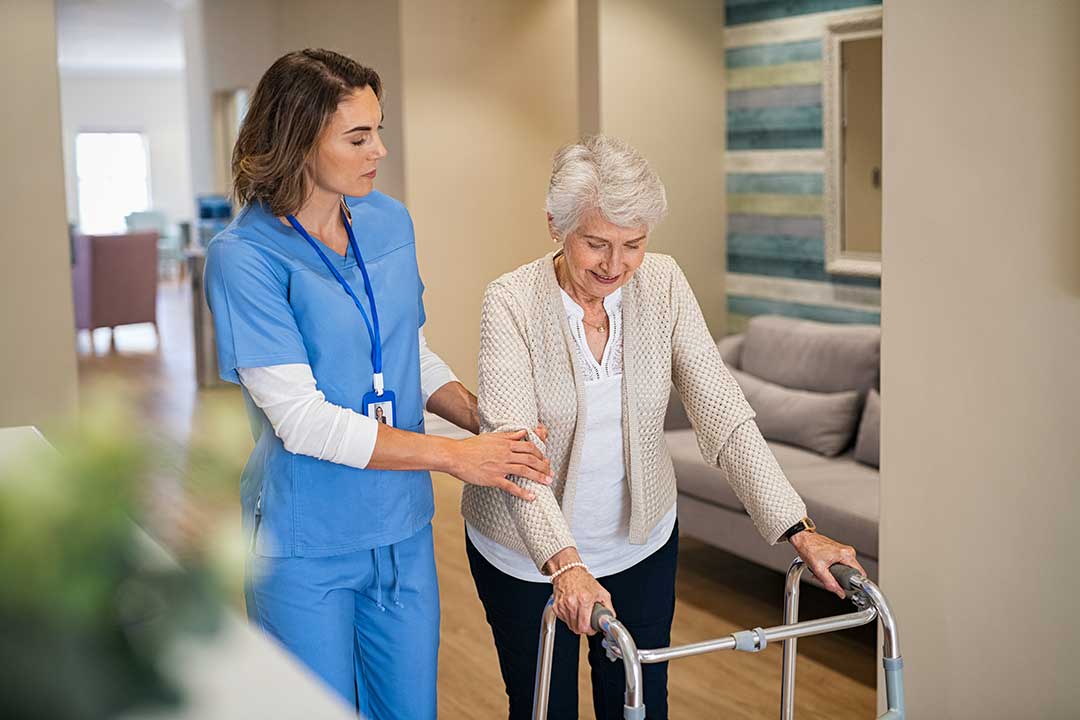
- Confirm if residents need a guide and, when appropriate, offer an arm instead of grabbing hands or leading without warning.
- Check in frequently to ensure residents are comfortable with any changes in routine or space.
Compassionate communication helps counteract isolation, a frequent concern as vision changes progress.
Are There Community-Specific Considerations for South Park Residents?
South Park’s climate, natural lighting, and infrastructure bring unique points to consider:
- Due to seasonal weather changes, entrances and outdoor paths may require extra attention with snow, wet leaves, or ice—elements that are harder to detect for someone with low vision.
- Local daylight patterns may increase the need for adaptable artificial lighting indoors, especially in the late afternoon during winter.
- Building layouts in South Park often feature a mix of private and shared areas, so adaptability and clear markings become especially useful for residents transitioning between different types of spaces throughout the day.
Residents moving from independently managed homes to these community settings may require additional support and patience as they adjust to these changes.
